
Drainage Services for Property Protection
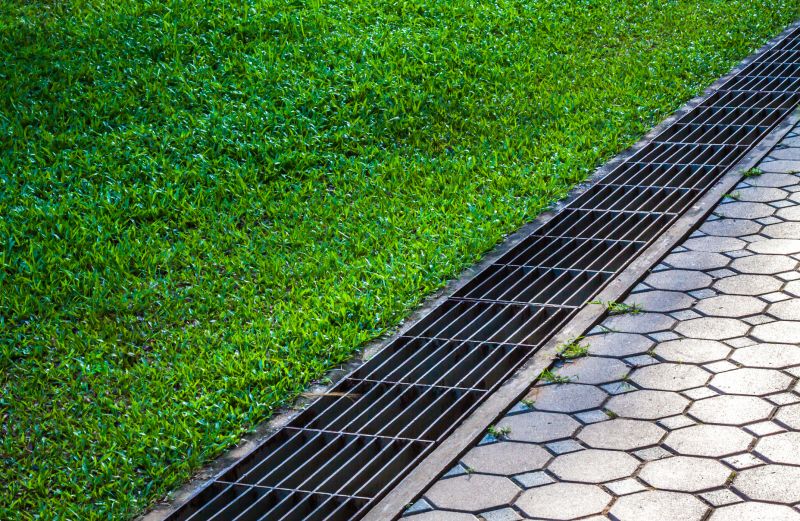
Spring often brings increased rainfall, making it an ideal time to assess and improve drainage systems.
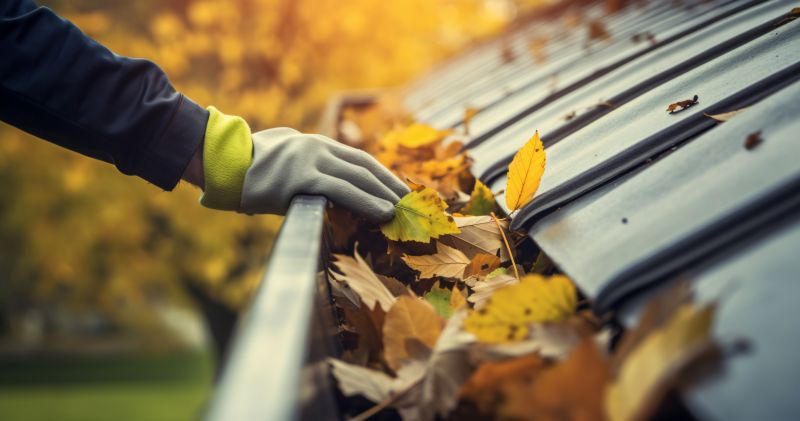
Fall is suitable for drainage maintenance to prevent issues during winter months.
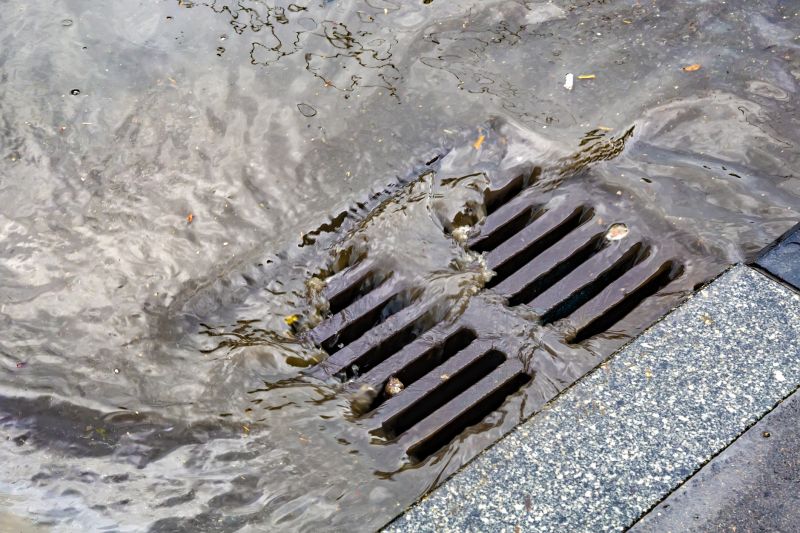
After heavy storms, drainage systems should be inspected to ensure proper function and prevent flooding.
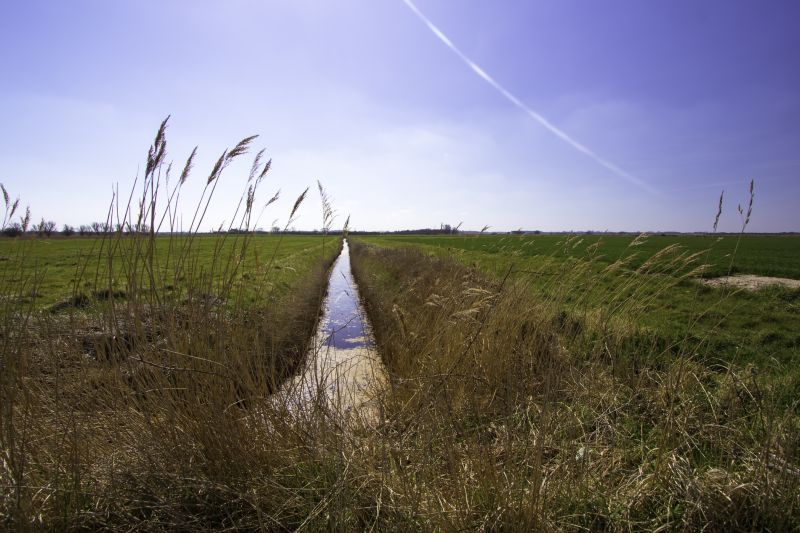
Dry periods are optimal for comprehensive drainage upgrades and repairs without weather disruptions.
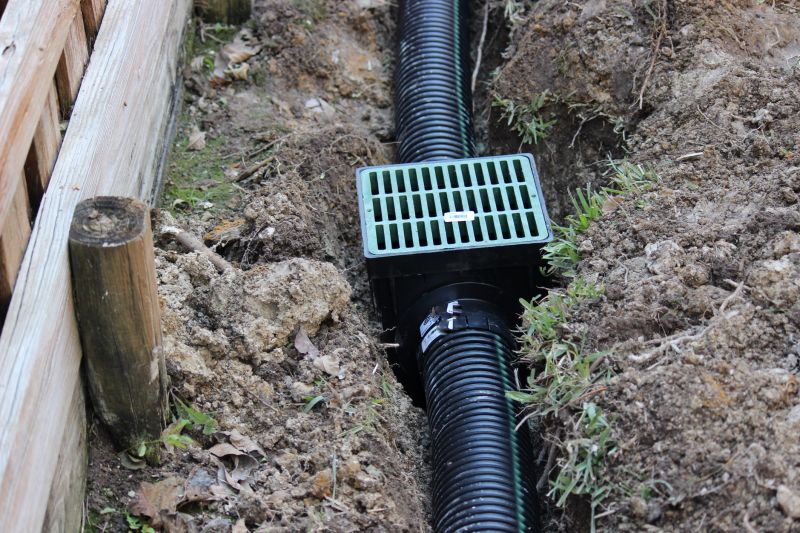
Ways to make Drainage Service work in tight or awkward layouts.
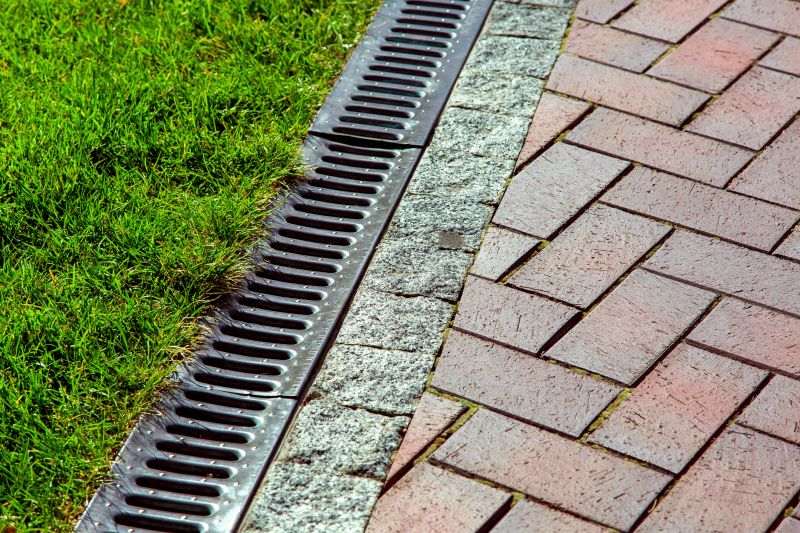
Popular materials for Drainage Service and why they hold up over time.
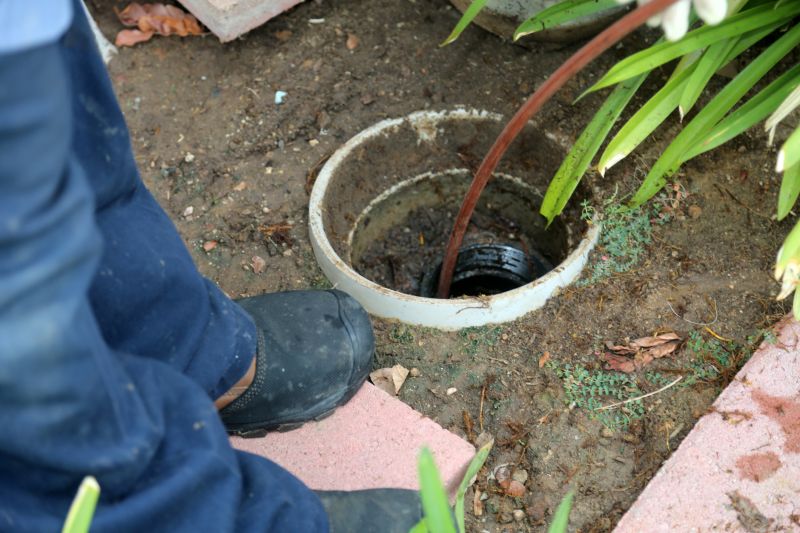
Simple add-ons that improve Drainage Service without blowing the budget.
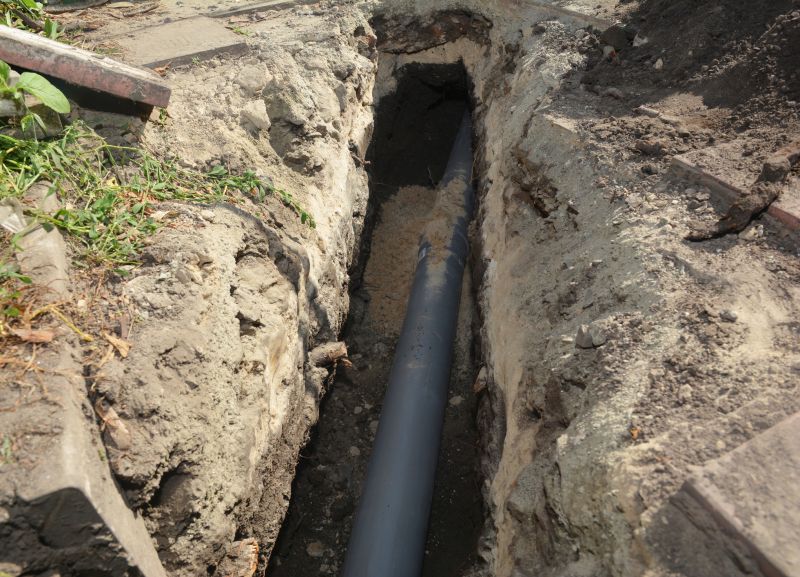
High-end options that actually feel worth it for Drainage Service.
Drainage service involves maintaining and improving the flow of water away from properties to prevent flooding, erosion, and water damage. Proper drainage is essential for protecting structures, landscaping, and ensuring safety during heavy rainfall. Regular maintenance can extend the lifespan of drainage systems and prevent costly repairs.
Statistics indicate that properties with well-maintained drainage systems experience significantly fewer flood-related damages. Seasonal timing plays a crucial role; performing drainage work before heavy rain seasons ensures optimal performance and reduces risk. Planning drainage service during dry or mild weather conditions allows for more thorough inspections and repairs.
Proper timing ensures systems are functional during peak rainfall periods, reducing flood risks.
Standing water, slow drainage, or water pooling indicate the need for service.
Includes French drains, surface drains, and sump pumps, each requiring different maintenance schedules.
Leads to erosion, foundation issues, and landscape damage, emphasizing the importance of regular service.
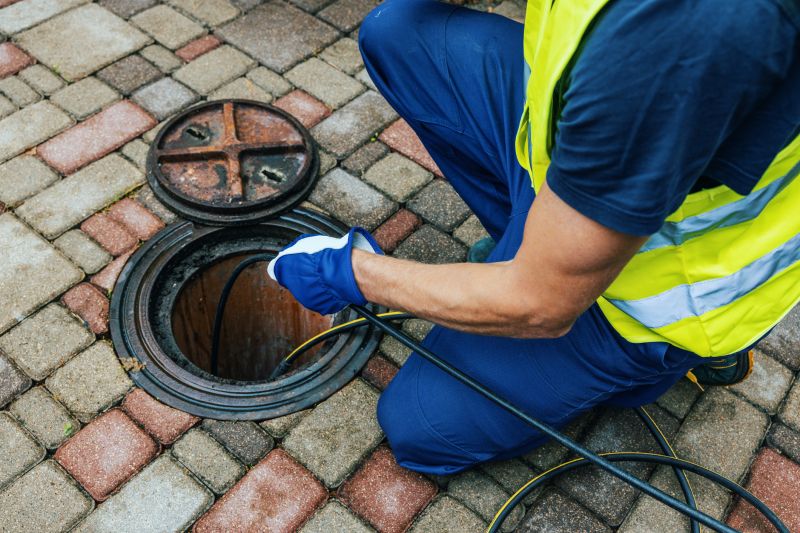
Visual assessment to identify blockages or damage.
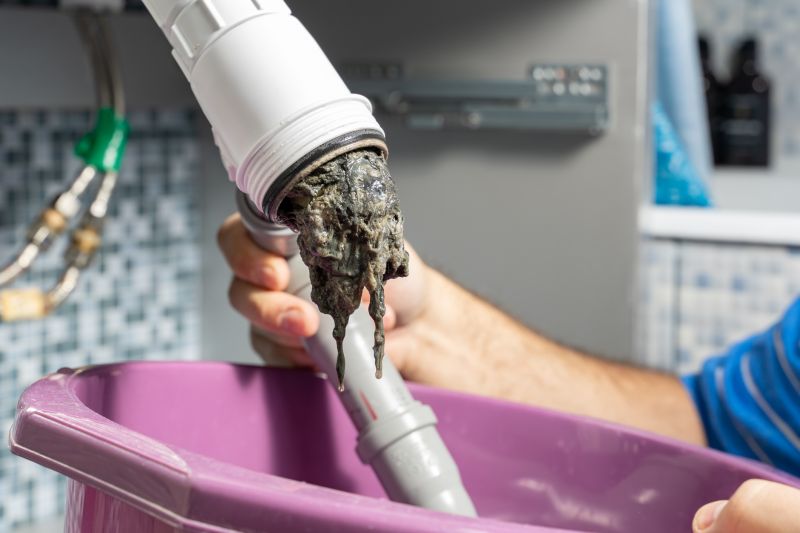
Removing debris and sediment to ensure clear water flow.
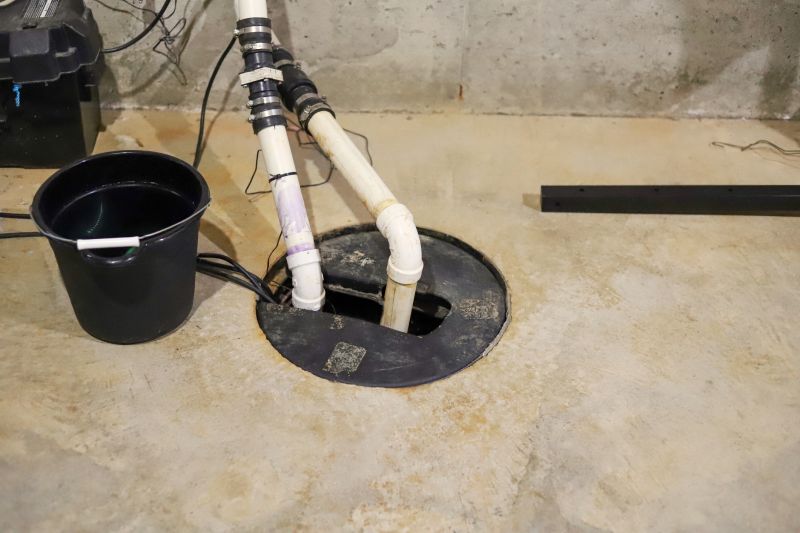
Placement of French drains and sump pumps to improve drainage.
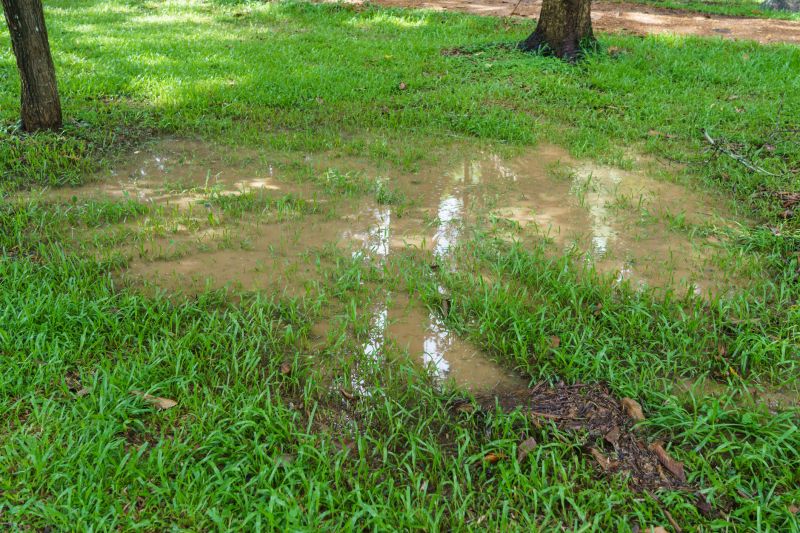
Fixing areas where water has caused soil loss or structural issues.
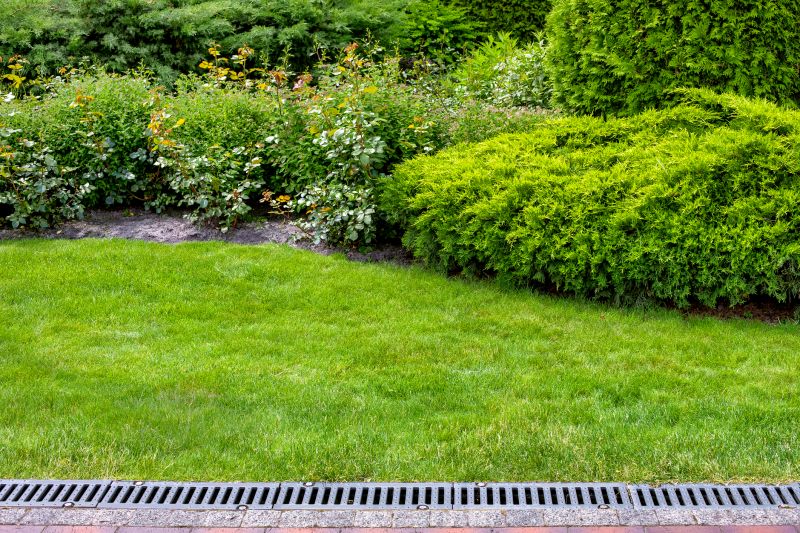
Designing systems to direct water away from gardens and lawns.
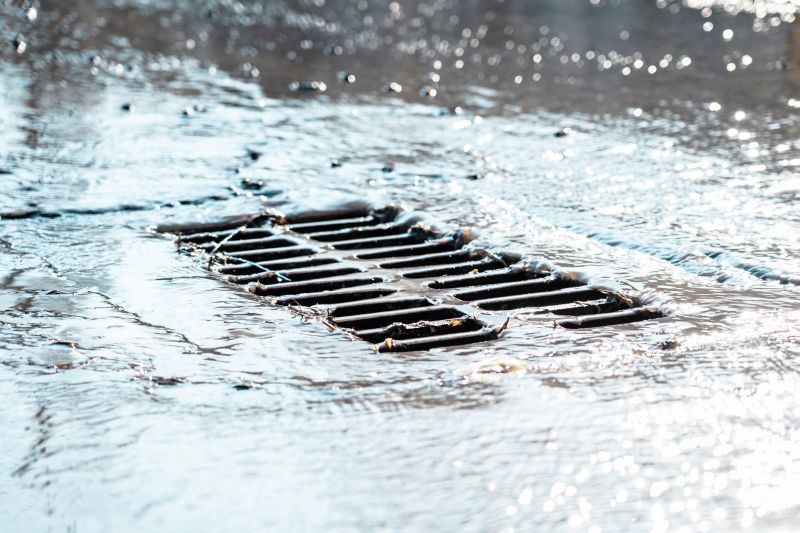
Implementing systems to handle large volumes of rainwater.
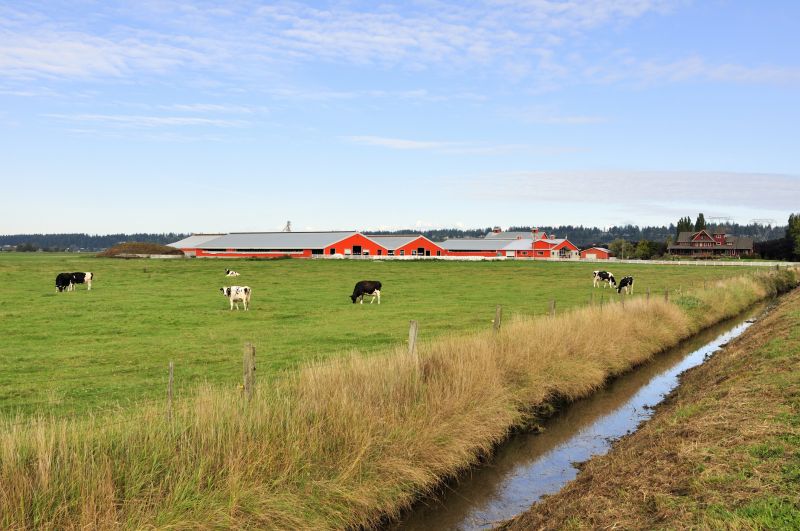
Enhancing existing systems for better efficiency.
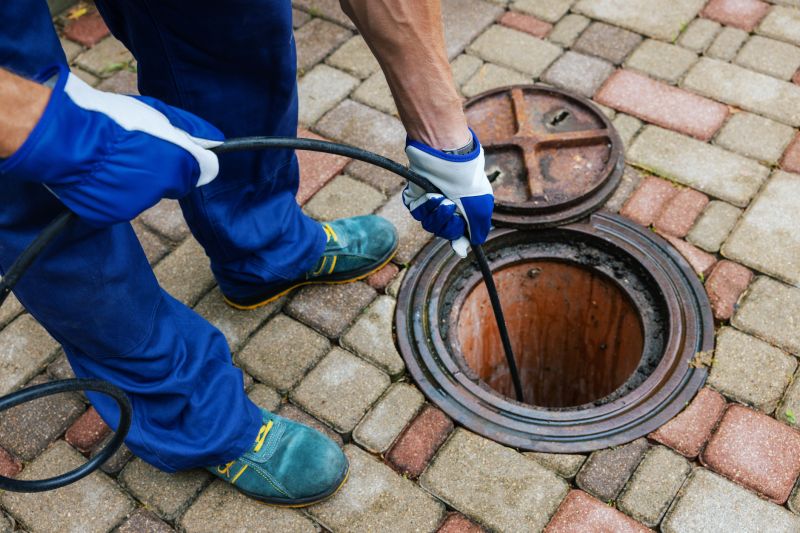
Routine checks to avoid future drainage problems.
| Season | Recommended Drainage Service Activities |
|---|---|
| Spring | Inspect and clean drains after winter, prepare for increased rainfall. |
| Summer | Perform routine maintenance, monitor for blockages during storms. |
| Fall | Clear leaves and debris, inspect for damage before winter. |
| Winter | Ensure systems are winterized, prevent ice buildup. |
| Post-Storm | Immediate inspection and cleaning after heavy rainfall. |
| Dry Seasons | Major repairs and upgrades when weather permits. |
| Pre-Rainy Season | Final checks and maintenance to ensure readiness. |
| Peak Rainfall Periods | Emergency response and quick repairs as needed. |
Scheduling drainage service at appropriate times ensures optimal system performance and minimizes the risk of water-related damage. Regular inspections and maintenance aligned with seasonal changes can prevent costly repairs and property damage. It is recommended to perform comprehensive drainage assessments before the rainy seasons begin.
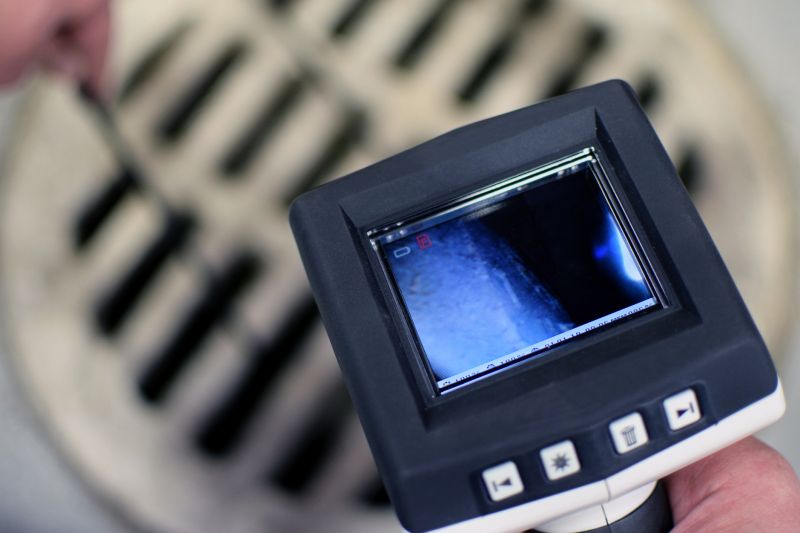
Visual and technical inspections to identify potential issues.
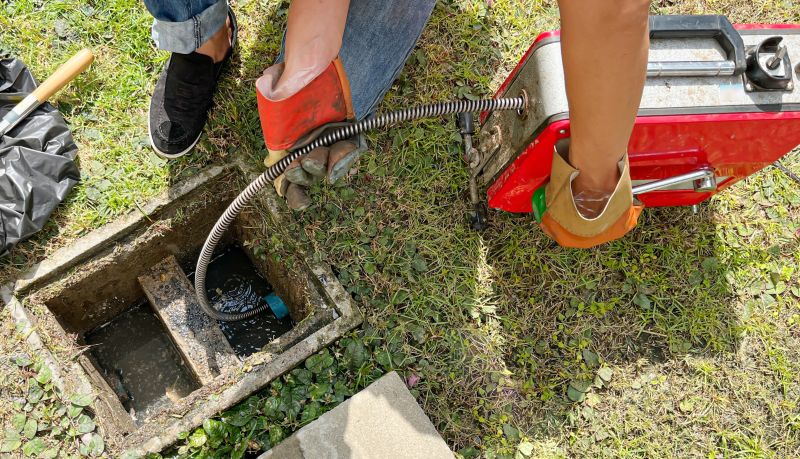
Tools used to remove debris and sediment buildup.
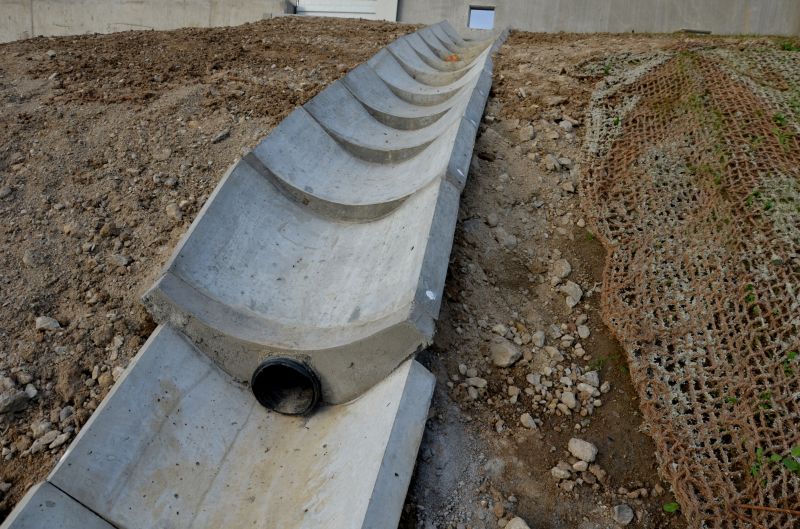
Modern systems designed for efficient water flow.
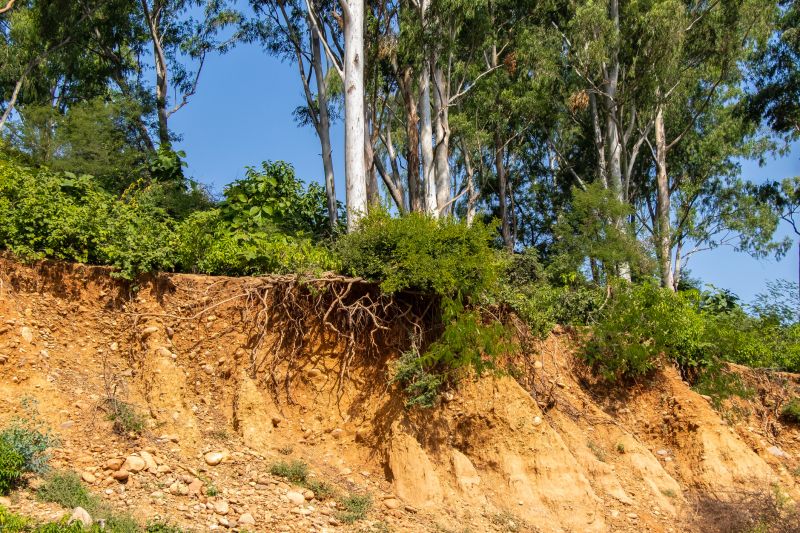
Restoring soil and structural integrity after water damage.
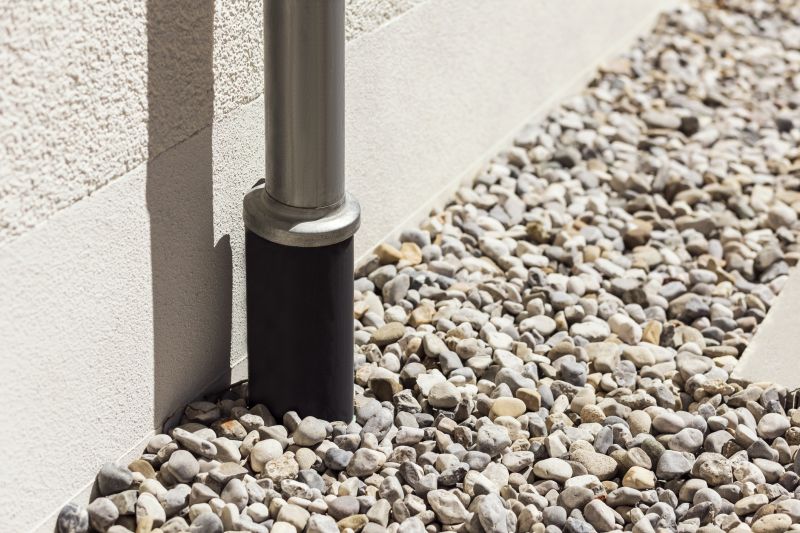
Finishes and colors that play nicely with Drainage Service.
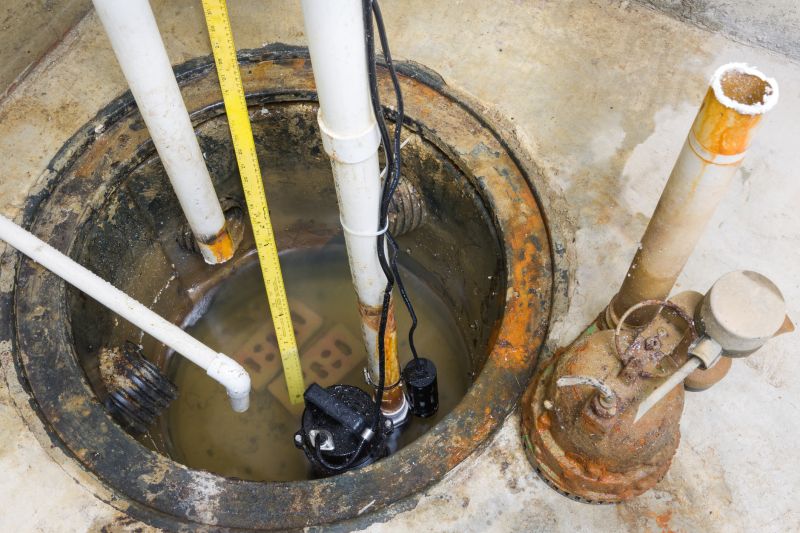
Little measurements that prevent headaches on Drainage Service day.
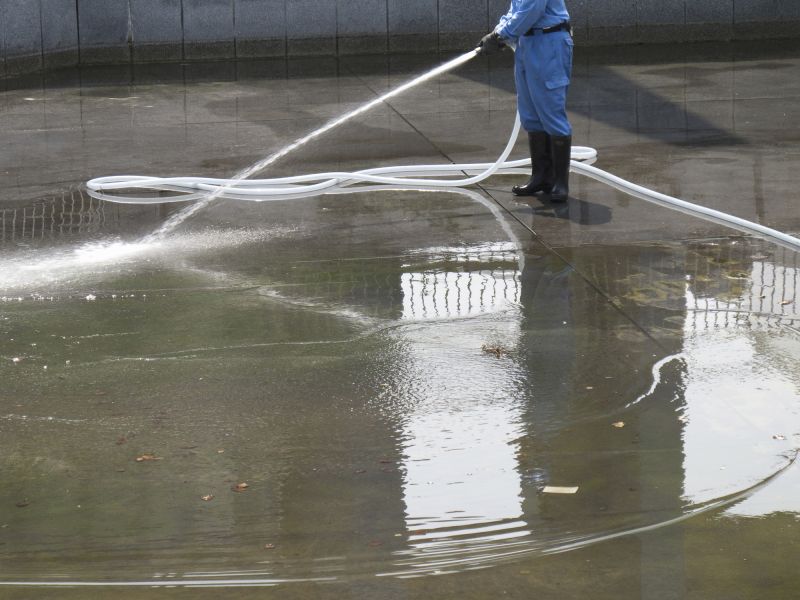
A 60-second routine that keeps Drainage Service looking new.
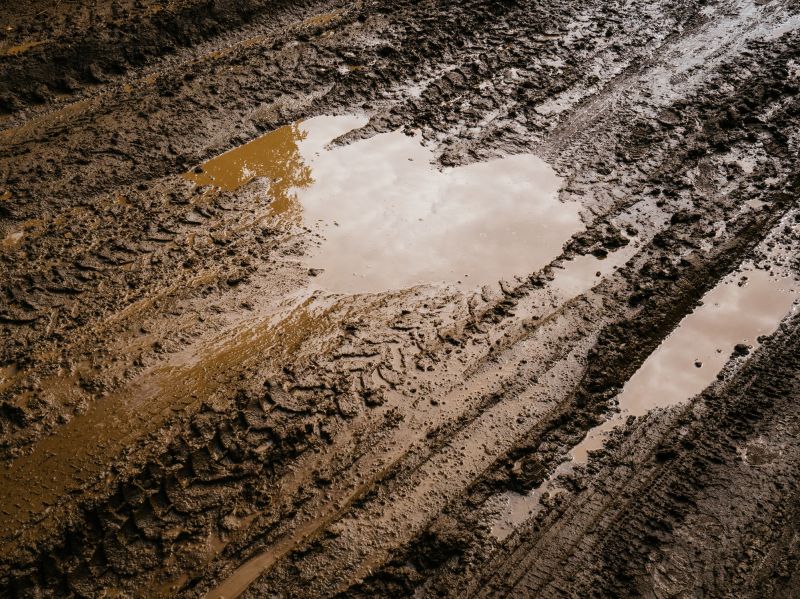
A frequent mistake in Drainage Service and how to dodge it.
Interested property owners can contact for detailed drainage assessments and tailored service plans. Proper timing combined with regular maintenance can significantly reduce flood risks and protect property investments.
